
Filing taxes can be stressful, especially if you need more time to gather your documents. The good news is that the IRS allows you to file a tax extension if you need extra time to prepare your tax return.
A tax extension gives you six more months to file, moving the deadline from April 15 to October 15. But here’s something important filling an extension does not delay your tax payment. If you owe taxes, you must still estimate and pay by April 15 to avoid penalties and interest.
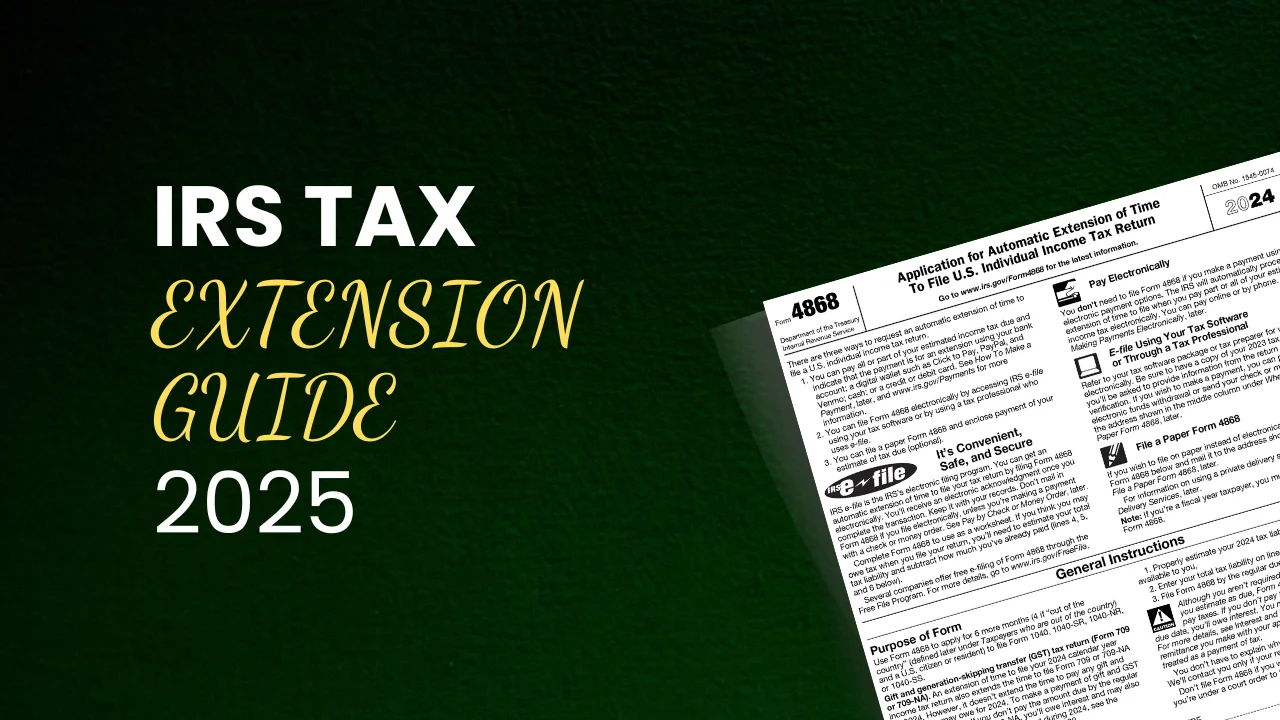
To get an extension, you need to submit Form 4868 to the IRS. You can do this online for free or by mail. Many tax software programs, like TurboTax and FreeTaxUSA, also let you file an extension easily. In this guide, we’ll show you how to file a tax extension step by step, what happens after you file, and common mistakes to avoid.
Why You Might Need a Tax Extension
Not everyone can finish their tax return by April 15. Life gets busy, and sometimes you need more time. The IRS allows you to file a tax extension if you need extra months to prepare. Here are some common reasons why people request an extension:
- Missing documents – You may be waiting for tax forms like W-2s, 1099s, or investment statements.
- Unexpected life events – Health issues, family emergencies, or major life changes can delay your tax preparation.
- Complicated tax situation – If you are self-employed, own a business, or have multiple income sources, preparing taxes can take longer.
- Needing professional help – Sometimes, you want a tax expert to review your return, but they might be booked close to the deadline.
- First-time filer confusion – If this is your first time filing taxes, you might need more time to understand deductions, credits, and IRS rules.
Whatever the reason, filing a tax extension gives you until October 15 to complete your tax return. But remember, the extension only gives you more time to file, not to pay. If you expect to owe taxes, it’s important to make an estimated payment to avoid penalties.
Tax Extension Deadlines for 2025
The IRS has strict deadlines for tax extensions. If you need more time to file your taxes, you must submit a request by April 15, 2025. Missing this deadline means you may face late filing penalties.
Here are the key dates to remember:
- April 15, 2025 – This is the last day to request a tax extension using Form 4868.
- October 15, 2025 – This is the final deadline to submit your tax return if your extension is approved.
If you file for an extension, any taxes owed are still due on April 15. If you don’t pay by this date, the IRS may charge interest and penalties.
If you expect to owe taxes but need an extension, it’s best to estimate your tax liability and make a payment when filing the extension. This helps reduce extra fees.
How to File a Tax Extension (Step-by-Step Guide)
Filing a tax extension is simple. The IRS offers different ways to request extra time, and you can choose the method that works best for you.
How to File a Tax Extension Online
Filing online is the fastest and easiest way to request a tax extension. You can do this through:
- The IRS Free File tool, available on the official IRS website
- Tax software like TurboTax, FreeTaxUSA, and H&R Block
- A tax professional who can file the extension electronically for you
When filing online, you need to:
- Select the tax extension option in your preferred tax software.
- Provide basic personal details like your name, Social Security number, and estimated tax liability.
- Choose how you want to pay if you owe taxes. You can pay directly through the IRS website or link a bank account.
- Submit the request before April 15, 2025 and keep a confirmation receipt.
Most online platforms provide instant confirmation, so you’ll know right away that your request has been processed.
How to File a Tax Extension by Mail
If you prefer to file a tax extension by mail, follow these steps:
- Download Form 4868 from the IRS website or get a copy from a tax professional.
- Fill out the form with your name, address, Social Security number, and estimated tax payment (if applicable).
- If you owe taxes, include a check or money order payable to the United States Treasury.
- Mail the completed form to the correct IRS address based on your location. You can find the address on the IRS website.
- Make sure your form is postmarked by April 15, 2025 to avoid late filing penalties.
Processing time for mailed requests varies, so if you don’t receive confirmation, you can call the IRS to check the status.
Filing Through a Tax Professional
If your tax situation is complicated or you’re unsure how to file an extension, a tax accountant or preparer can handle it for you. They can:
- Determine if an extension is the best option for your situation
- File Form 4868 electronically or by mail on your behalf
- Help you calculate how much tax you may owe and set up a payment plan if needed
What Happens After You File?
- If you filed correctly and on time, your tax extension request is automatically approved.
- The new deadline to file your tax return is October 15, 2025.
- If you don’t pay your taxes by April 15, the IRS may charge interest and penalties.
- Keep a copy of your extension confirmation for your records in case of any issues.
A tax extension gives you more time to file, not more time to pay, so it’s important to estimate your tax liability and make a payment if needed.
What Happens If You Don’t File a Tax Extension?
If you miss the April 15 deadline and don’t file a tax extension, the IRS may charge penalties and interest. The longer you wait, the higher the fees.
Here’s what happens if you don’t file on time:
- Failure-to-file penalty – The IRS charges 5% of the unpaid taxes for each month your return is late, up to 25% of the total tax owed.
- Failure-to-pay penalty – If you owe taxes and don’t pay by April 15, the IRS adds a penalty of 0.5% per month on the unpaid amount.
- Interest charges – The IRS also charges interest on unpaid taxes, which increases over time.
- Loss of refunds – If you’re owed a tax refund, you must file within three years to claim it. After that, the IRS keeps your refund.
If you owe taxes and can’t pay in full, you can set up a payment plan with the IRS. But ignoring your tax obligations can lead to more severe consequences, like tax liens or wage garnishment.
Filing a tax extension is free and easy, so it’s better to request one if you need extra time rather than miss the deadline.
Common Mistakes to Avoid When Filing a Tax Extension
Filing a tax extension is simple, but mistakes can cause delays or penalties. Here are common errors to watch out for:
- Missing the deadline – You must submit Form 4868 by April 15. If you file late, the IRS may reject your extension, and you could face penalties.
- Not paying taxes on time – A tax extension only gives you more time to file, not more time to pay. If you owe taxes, you must estimate your payment and submit it by April 15 to avoid interest and penalties.
- Entering incorrect information – Mistakes in your name, Social Security number, or tax estimates can lead to rejection. Double-check all details before submitting.
- Not keeping a confirmation – If you file online, save the confirmation receipt. If you mail your extension, use certified mail to track delivery.
- Assuming you don’t need to file – Even if you get an extension, you still need to submit your tax return by October 15. The IRS does not send reminders.
- Ignoring state tax extension rules – Some states require a separate extension request. Check your state tax agency’s website for specific rules.
Avoiding these mistakes ensures your extension request is accepted and helps you avoid unnecessary penalties or IRS issues.
How to Check the Status of Your Tax Extension
After filing a tax extension, it’s important to confirm that the IRS has processed your request. Here’s how you can check your status:
- If you filed online – Most tax software platforms, like TurboTax and FreeTaxUSA, provide instant confirmation. You can also check your IRS account online.
- If you mailed Form 4868 – The IRS does not send confirmation for mailed forms. Wait at least four weeks before calling the IRS at 800-829-1040 to check your status.
- If you paid taxes with your extension request – If your payment was processed by the IRS, your extension was likely approved. You can check your payment confirmation through your IRS account or bank statement.
- If you used a tax professional – Contact your tax preparer to confirm the extension was filed correctly.
If you don’t receive confirmation and your extension is not approved, file your tax return as soon as possible to reduce penalties. Even if the extension was rejected, the IRS still considers partial payments, which can help minimize interest charges.
State Tax Extensions: Do You Need to File Separately?
Federal tax extensions cover your IRS tax return, but each state has its own rules for tax extensions. Some states grant automatic extensions, while others require a separate request.
States that offer Automatic Extensions
Certain states, like California, New York, and Texas, automatically extend your tax filing deadline if you have a federal extension. No additional paperwork is required, but you must still pay any state taxes owed by the original deadline.
States that Require a Separate Extension Request
Some states, including Pennsylvania, Illinois, and Wisconsin, require you to file a separate extension form. These forms are available on the state’s tax website.
How to Check Your State’s Tax Extension Rules
- Visit your state’s Department of Revenue website for tax extension forms and deadlines.
- Use tax software like TurboTax, which includes state tax extension options.
- Contact a tax professional if you’re unsure about your state’s requirements.
Important Notes
- Filing a federal tax extension does not automatically extend your state tax deadline.
- If your state requires an extension request, submit it by the state’s deadline to avoid penalties.
- Even with an extension, you must pay any state taxes owed by the original deadline to prevent interest charges.
Frequently Asked Questions
How do I file a tax extension with the IRS?
You can file a tax extension by submitting Form 4868 online through the IRS Free File tool, tax software like TurboTax or FreeTaxUSA, or by mailing a paper form to the IRS. The deadline is April 15, 2025.
Does a tax extension give me more time to pay my taxes?
No, a tax extension only gives you more time to file your return, not more time to pay. If you owe taxes, you must pay by April 15 to avoid interest and penalties.
How do I know if my tax extension was approved?
If you filed online, you should receive a confirmation immediately. If you mailed Form 4868, the IRS does not send confirmation, but you can check your IRS account or call 800-829-1040 after a few weeks.
Can I file a tax extension for free?
Yes, you can file a tax extension for free using the IRS Free File service, tax software that offers free filing, or by mailing Form 4868.
What happens if I don’t file a tax extension or my return on time?
If you miss the April 15 deadline without filing an extension, you may face a failure-to-file penalty of 5% per month on unpaid taxes, up to 25%. If you owe taxes and don’t pay, the IRS also adds interest.
Do I need to file a state tax extension separately?
It depends on your state. Some states grant automatic extensions if you file a federal extension, while others require a separate request. Check your state’s Department of Revenue website for details.
Wrap Up
Filing a tax extension is a simple way to get extra time to prepare your tax return, but it does not extend the deadline to pay any taxes owed. Whether you choose to file online, by mail, or through a tax professional, submitting Form 4868 by April 15, 2025, ensures you avoid unnecessary penalties. If you need an extension, act early to confirm your request is accepted and stay aware of both federal and state tax extension rules to remain compliant.
We hope this guide has made the tax extension process clear and easy to understand. If you found this information helpful, consider sharing it with your friends, family, or anyone who may need extra time to file their taxes. Helping others stay informed can save them from costly mistakes and unnecessary stress. Feel free to leave a comment or ask any questions—we’re happy to help!

Leave a Reply